
The digital age generates huge photo collections on devices, platforms, and cloud storage. Memories multiply fast, but meaning tends to get lost under a heap of unending folders and filenames. It is hard to control these images, and it is even more difficult when stories are not complete, and they do not speak.
Still photographs seldom convey a sense of motion, feeling, or plot development in and of themselves. One photo does not record the process, only the journey around that photo. This limitation becomes clear when revisiting milestones, travels, or brand archives that deserve flow and emotional resonance through photo to video AI.
Photo-based videos address this issue by converting single images into narrative links. Images are contextualized by motion, sound, and pacing. Pippit is a creative transformation layer that turns stored photos into expressive visual stories without any complicated manual work.
Understanding the Shift From Static Photo Storage to Visual Storytelling
Electronic memories were on albums and shoeboxes. They are present today in the form of thousands of files across platforms. The transition made it heavier and less storytelling. Videos place structure back in order, categorizing moments into a logical sequence.
The human memory patterns are more compatible with videos than photos since movement is more likely to be remembered. Change brings in anticipation. Music reinforces emotion. A scrolling sequence is immersive, unlike a still scroll.
Artificial intelligence increases this change by automating sequencing and rhythm. AI examines image sequences, visual representations, and contextual patterns. Pippit exploits such intelligence to preserve the narrative flow without violating original content.
Interpretation of visual context provides continuity between scenes. Transitions are informed by facial expressions, lighting, and environment. The outcome is purposeful and not collaged. Plots develop in a natural way rather than being patched up.
How Photo To Video AI Interprets and Organizes Image Collections
Advanced image recognition enables AI to comprehend content other than pixels. Photos are classified according to themes, settings, subjects, and visual tone. This thematic grouping forms logical breaks in a video timeline.
Time detection is a major factor in upholding order. The chronology is determined by metadata, light variations, and subject development. Decisions on pacing are directed by emotional cues like smiles, movement, or color warmth.
Pippit automatically organizes collections into consistent timelines. Starting, maturity, and closure seem not to be sorted by hand. The method spares the hours of organization and maintains narrative intent.
Continuity of emotions is just as important as chronology. Continuous shifts keep the mood steady in the scenes. AI maintains both visual similarity and diversity to ensure that the viewers are not confused.
Creative Advantages of Transforming Photo Libraries Into Videos
Moving makes a living of dead memories. Minor animations do not distort the authenticity but add depth. Transitions are bridges between moments and enhance the flow of emotion.
Captions, music, and adjusting the pace of storytelling enhance storytelling. Text gives more explanation, whereas sound supports the mood. Time management makes sure that every moment is given the right attention.
Informal folders are converted into presentable videos that can be shared or showcased. Personal archives, marketing images, and professional storytelling are the beneficiaries of this transformation.
The process of automation decreases creative exhaustion through repetition. Pippit is able to control structure and yet individualize. Energy moves out of editing mechanisms to significant refinement.
Steps to Transform Your Photo Collections Into Videos Using Photo To Video AI
Step 1: Import Your Photo Collection
You begin by accessing Pippit and completing the signup process. After that, move to the “Video generator” tab and click the “Add media” tab. Here, you can upload images from your local device, your phone, Dropbox, or even through a link. If reference photos are not ready, you may also choose visuals from assets. Next, add a text prompt that clearly explains how you want the video to look. This step guides the AI to generate a video that aligns with both the images and the description. Once everything is set, click the “Generate” tab to start the process.
Step 2: Let AI Shape the Story
The AI video generator in Pippit automatically edits and generates your video based on the uploaded images and the text prompt. It manages transitions, pacing, and video enhancements without manual effort.
The system auto-adds avatars, voice, lyrics, captions, and photos/videos to improve the final output. It perfects your final video and presents 4 to 5 drafts to choose from. You can select a version and click edit more to make additional refinements, which opens the Pippit video editing interface.
Step 3: Finalize and Distribute
After generation, full creative freedom is available. You can edit captions manually, add text, customize size, color, and alignment, and tweak filters or effects. Background music can be added, and background removal is also possible.
Once satisfied, click the “Export” tab in the top right corner. You can publish your video directly to TikTok, Instagram, or Facebook using “Publish, or download it to your device with a custom format, frame rate, resolution, quality, and name through the “Download” tab.
Enhancing Emotional Impact With AI Animations and Audio
Background music is extremely effective in reinforcing memory. Rhythm influences the feeling and sense. Correct audio transforms visual sequences to immersive ones.
Movement of fluids is used as an emotional transition between scenes. Abrupt changes disrupt flow. AI ensures consistency in the scenes to narrate the story in a sequence.
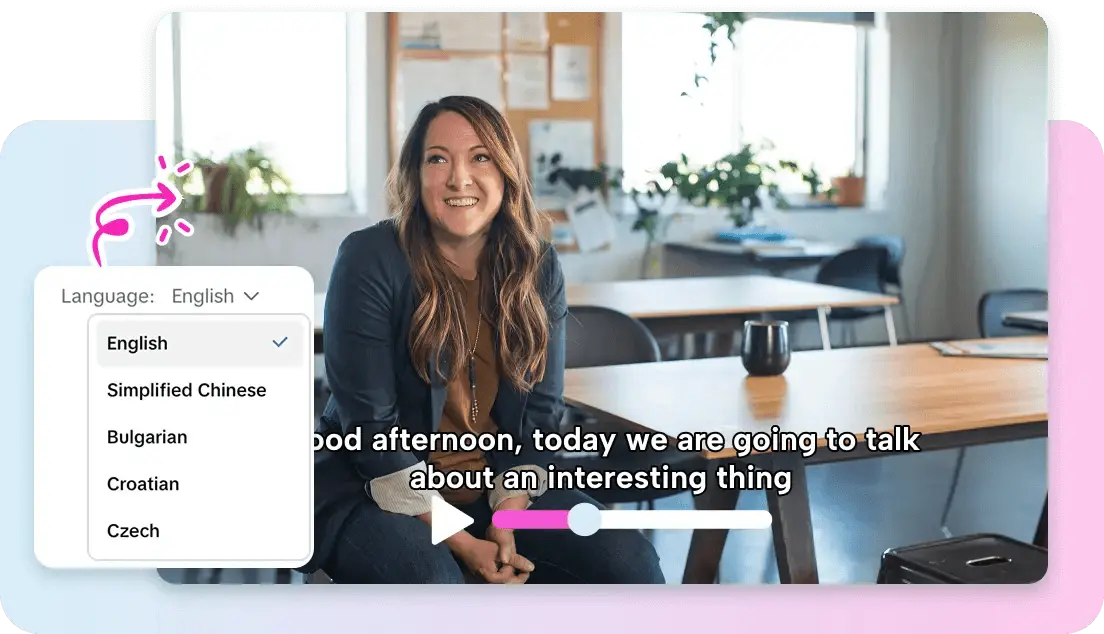
Memories are given background and sense by captions. Photos are surrounded by names, dates, or brief descriptions. This transparency complements transparency without overpowering the viewer.
Advanced tools like lip sync AI enhance realism when avatars or voiceovers appear. Synchronization guarantees authenticity and assists in substantiation of narration needs.
Pippit balances between automation and personalization. Creative decisions can be made even when dealing with complexity, and AI can handle this problem. This balance ensures genuineness in working processes that are effective.
Managing Large Photo Archives Efficiently With Pippit
The smart automation removes the manual sorting. AI can process high volumes of archives within a few seconds. The time spent on shifting organization is substituted with the exploration of creativity.
Through batch processing, multiple video formats under a single collection are enabled. They are represented in various tales, which should be narrated individually, during a meeting, or while selling a product.
Reusable visual narratives contribute to scalability. Core stories are cross-platform, and they do not recreate content. Such fluidity is fitting to growing libraries and evolving purposes.
An AI video generator approach supports personal memories, professional portfolios, and marketing assets alike. Pippit is need-oriented and quality-oriented.
Common Creative Pitfalls and How AI Prevents Them
The audience is assaulted by congested images. Poor timing reduces the emotional appeal. The scene time is moderated by AI so that one is not bored.
Discontinuous shifts ruin tone. Short-term alterations are disruptive. Smart sequencing ensures inter-scene consistency.
Visual consistency is used to ensure authenticity. There are not too many effects of AI that distract from the content. Narratives are genuine and not hyperbolic.
Automation does not kill creativity, but it assists it. Authenticity is maintained, and efficiency is promoted.
Conclusion
The future of the memory store is photo-to-video conversion. Stories require motion, sound, and rhythm. Storage is static, and it inhibits emotional connection.
Pippit provides meaning to bare images and meaningful stories. AI simplifies and gives credit to original moments. The visual stories are produced as a logical continuation of existing collections.
The idea of turning the photo libraries into living images is a permanent value. The memories are organised, bright, and emotional. This transformation renders stories to move and persist to be recounted.
