
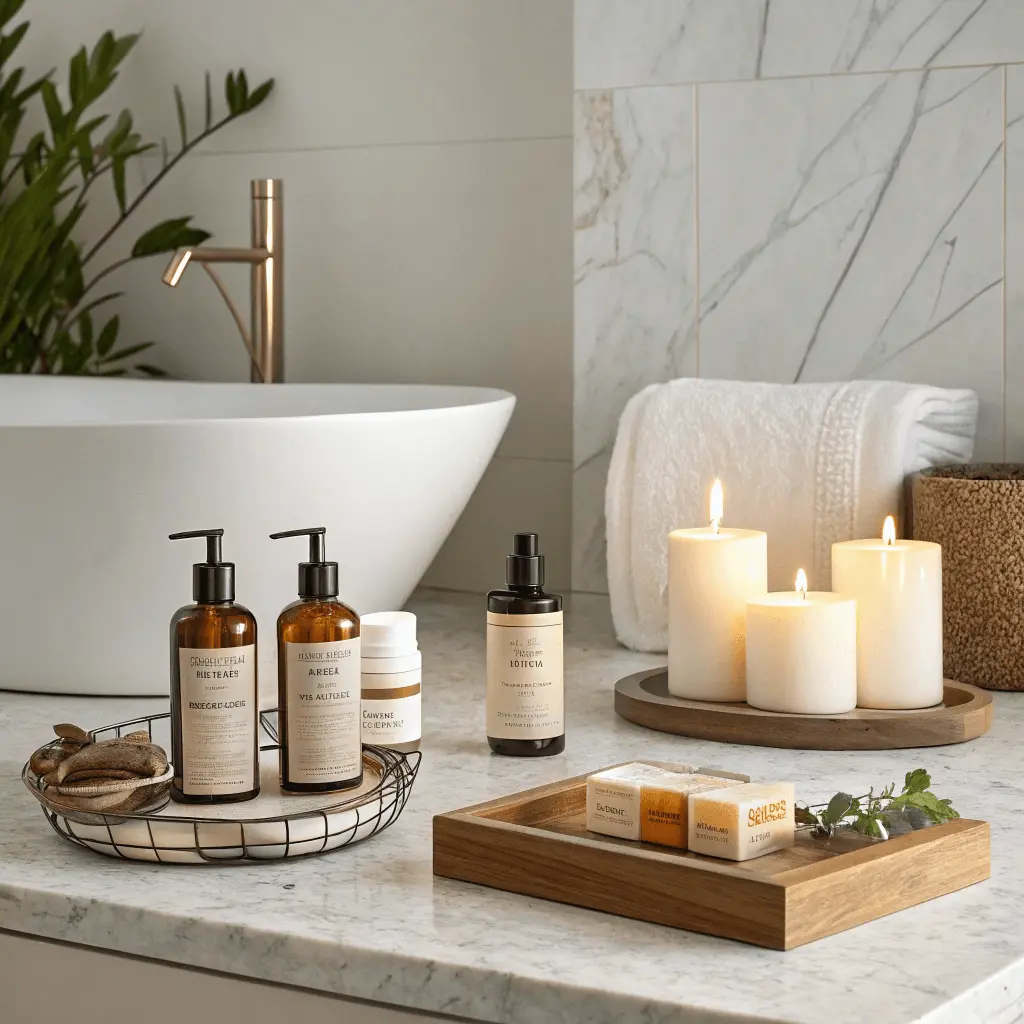
In recent years, conversations around wellness have expanded beyond traditional fitness and nutrition to include emotional well-being, relationships, and intimate care. This broader understanding of self-care has helped normalize products that were once considered taboo, encouraging people to view intimacy as an essential part of overall health. Online platforms such as https://www.edenfantasys.com/ have played a role in this shift by offering discreet access to a wide range of intimate lifestyle and wellness products, contributing to a more open and informed consumer culture.
As societal attitudes evolve, the intimate lifestyle industry is increasingly aligning itself with wellness, technology, and inclusivity. What was once a niche market is now a growing segment of the global self-care economy. Consumers today are more educated, more selective, and more focused on products that enhance both physical pleasure and emotional connection.
The Shift Toward Wellness-Centered Intimacy
One of the most significant modern trends is the redefinition of intimacy as part of holistic wellness. Instead of being viewed purely through a recreational lens, intimate products are now marketed as tools for stress relief, emotional bonding, and personal empowerment.
This shift reflects a broader cultural movement that prioritizes mental health and self-awareness. People are increasingly recognizing that intimacy, whether solo or shared, can contribute to reduced anxiety, better sleep, and improved self-esteem. As a result, products in this category are often designed with wellness benefits in mind, such as relaxation-focused devices, sensory enhancement tools, and items that encourage mindfulness in personal experiences.
This wellness framing has helped reduce stigma and opened the door for more people to explore their needs without guilt or embarrassment.
Technology Integration and Smart Intimacy Devices
Technology has transformed nearly every aspect of modern life, and intimate products are no exception. Smart devices, app-controlled features, and even AI-assisted experiences are becoming more common in the industry.
Many contemporary products now offer Bluetooth connectivity, allowing users or couples to control settings remotely. This has become especially popular among long-distance partners, enabling shared experiences despite physical separation. Customization is another key feature, with users able to adjust intensity levels, patterns, and modes through mobile applications.
Some advanced products also include biometric feedback or interactive syncing with music and video content. These innovations reflect a broader trend toward personalization, where consumers expect products to adapt to their individual preferences rather than offering a one-size-fits-all experience.
Technology has also contributed to privacy and discretion. Many modern devices are designed to be quiet, compact, and visually subtle, blending into everyday environments without drawing attention.
Body Positivity and Inclusive Design
Another important development in the intimate lifestyle space is the rise of body positivity and inclusivity. Consumers today expect products that reflect diverse bodies, identities, and relationship structures. This has led manufacturers to design items that cater to different anatomies, orientations, and comfort levels.
Inclusive design is not limited to physical products. Marketing campaigns and branding have also shifted toward representation, featuring diverse models and inclusive messaging that normalizes all forms of consensual intimacy.
Gender-neutral packaging and terminology are becoming more common, reflecting a growing understanding that intimacy is not confined to traditional categories. This inclusivity helps create a more welcoming environment for users who may have previously felt excluded from mainstream narratives.
The Rise of Self-Care Rituals and Solo Wellness
Self-care has become a cornerstone of modern lifestyle culture, and intimate wellness is increasingly being integrated into personal routines. Many individuals now treat solo intimacy as a form of relaxation and self-exploration rather than something hidden or stigmatized.
This shift is closely tied to mindfulness practices. Just as meditation or skincare routines are used to promote mental balance, intimate self-care is being reframed as a way to reconnect with one’s body and reduce stress.
Consumers are also investing more time in creating intentional environments for self-care. This includes setting aside private time, using calming lighting or music, and choosing products that enhance comfort and relaxation. The emphasis is not solely on outcome but on the overall experience.
This trend highlights a growing understanding that personal wellness is multifaceted and deeply individual.
Sustainability and Ethical Manufacturing
Sustainability has become a major concern across all consumer industries, and intimate lifestyle products are no exception. Modern consumers are increasingly aware of environmental impact and ethical production practices.
Manufacturers are responding by using body-safe, non-toxic materials such as medical-grade silicone and reducing reliance on single-use plastics. Packaging is also being redesigned to be recyclable, minimal, or reusable.
Ethical sourcing and transparent manufacturing processes are gaining importance as well. Consumers want assurance that products are produced under safe working conditions and adhere to environmental standards. Brands that prioritize sustainability often gain stronger trust and loyalty from their customers.
This eco-conscious approach aligns with the broader global movement toward responsible consumption and long-term environmental awareness.
The Role of Discretion and Privacy
Despite increasing openness around intimacy, privacy remains a key consideration for many consumers. Discreet packaging, secure shipping methods, and confidential billing practices are now standard expectations in the industry.
Modern retailers focus heavily on ensuring that products are delivered in plain packaging without revealing contents. This allows individuals to explore intimate wellness products without concern for judgment or unwanted attention.
Digital privacy is equally important. Secure payment gateways, encrypted data storage, and anonymous browsing options have become essential features for online platforms. As consumers become more aware of digital security, these measures play a crucial role in building trust.
Education and Empowerment Through Information
Another defining trend is the emphasis on education. Many platforms now provide detailed guides, tutorials, and informational content to help users make informed decisions. This educational approach reduces confusion and empowers individuals to explore their preferences safely and confidently.
Topics often include product usage, safety guidelines, and communication tips for couples. By normalizing education in this space, the industry helps dismantle myths and encourages healthier attitudes toward intimacy.
This knowledge-driven approach also supports inclusivity, as it allows people from different backgrounds and experience levels to engage with products at their own comfort pace.
Couple Connectivity and Relationship Enhancement
Intimate lifestyle products are increasingly being used to enhance emotional and physical connection between partners. Rather than replacing intimacy, these products are often designed to complement and strengthen relationships.
Long-distance couples benefit significantly from remote-controlled technology, while in-person couples may use products to explore new dimensions of trust and communication. The emphasis is on shared experience and mutual satisfaction.
Open communication is a central theme in this trend. Couples are encouraged to discuss preferences, boundaries, and comfort levels, leading to stronger emotional bonds and healthier relationships.
The Future of Intimate Lifestyle Products
Looking ahead, the intimate lifestyle industry is expected to continue evolving alongside advancements in technology, wellness culture, and social openness. Artificial intelligence, biometric integration, and immersive digital experiences may further redefine how people approach intimacy.
At the same time, the focus on wellness, inclusivity, and sustainability is likely to deepen. Consumers are no longer satisfied with products that serve a single purpose. Instead, they seek meaningful, ethical, and personalized experiences that align with their values.
As stigma continues to fade and education becomes more widespread, intimate lifestyle products will likely become a standard part of broader self-care routines. This normalization reflects a healthier, more holistic understanding of human well-being.
Conclusion
Modern trends in intimate lifestyle and self-care products highlight a significant cultural transformation. What was once a private or taboo subject is now part of a larger conversation about wellness, technology, and personal empowerment. From smart devices and inclusive design to sustainability and education, the industry is adapting to meet the evolving needs of consumers.
Ultimately, this shift reflects a broader truth: intimacy is not separate from well-being. It is an integral part of how people connect with themselves and others, and modern innovations are helping individuals explore it in more informed, comfortable, and meaningful ways.
