
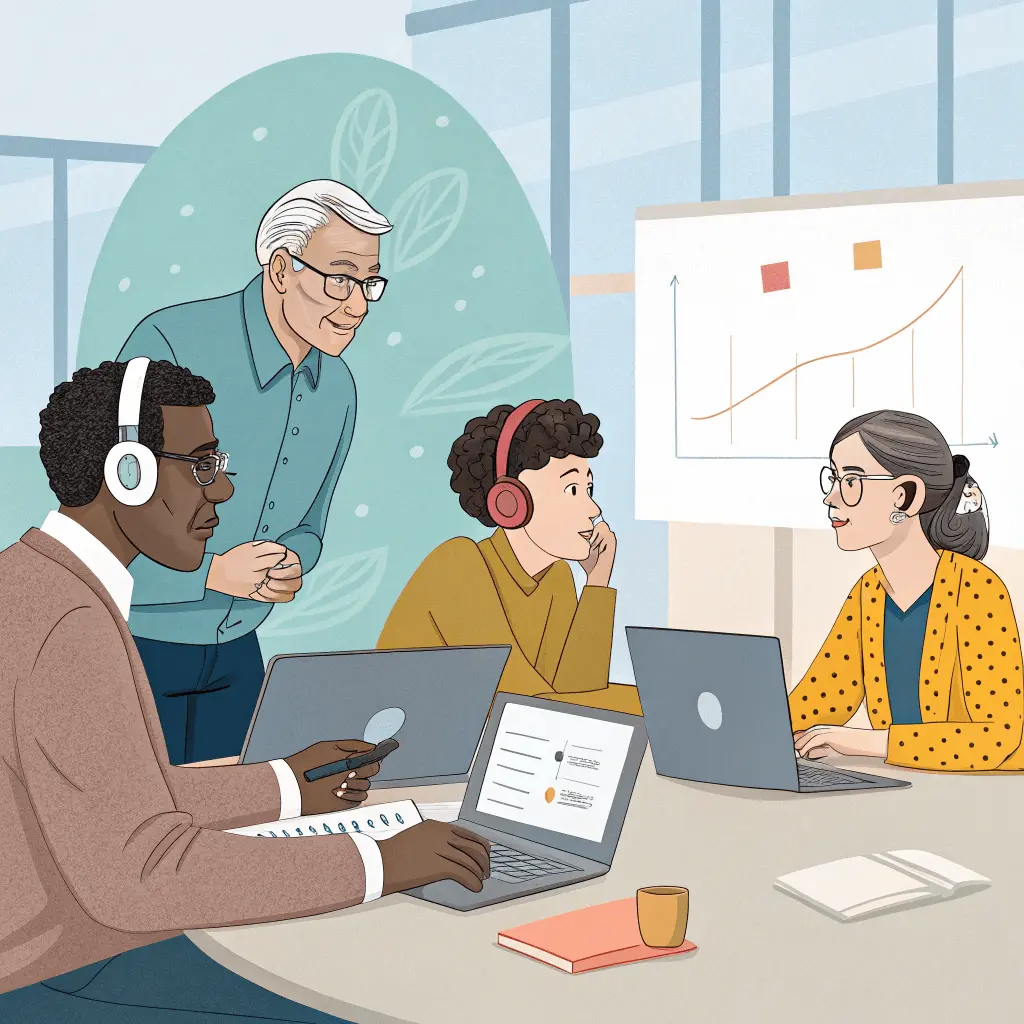
Four generations are now sharing the same offices, Slack channels, and conference rooms — and they don’t always see eye to eye. Baby Boomers, Gen X, Millennials, and Gen Z each grew up in different economic conditions, with different technology, and under different cultural expectations. Those differences don’t just influence personal preferences. They directly shape how people communicate, handle authority, define fairness, and react when things go wrong at work.
The Real Reason Generations Clash at Work
Most workplace conflict between generations isn’t about laziness, entitlement, or stubbornness — even though those are the labels people reach for first. The real friction comes from competing values that each group treats as obvious and universal.
The way people unwind outside work offers a useful parallel. Different generations gravitate toward different forms of entertainment based on what feels natural to them. Younger workers who grew up with smartphones often prefer digital leisure — many enjoy online slots or casino games as a quick way to decompress, and destinations like IceCasino pl have become popular among those who want to play a few rounds or explore a casino bonus after hours. Older generations might prefer a poker night with friends or a trip to a physical venue. Neither approach is better. They just reflect different comfort zones shaped by the era someone grew up in. The online casino world thrives precisely because it meets people where they are, and workplaces need to learn the same lesson.
That same dynamic — different defaults shaped by different experiences — is what drives most generational friction in professional settings.
Where the Biggest Friction Points Show Up
Not every generational difference creates conflict. Some are minor quirks that barely register. But a few key areas consistently generate tension across teams and organizations.
Communication Style
Boomers and Gen X tend to value direct, face-to-face conversation or at minimum a phone call for anything important. Millennials default to email or structured messages. Gen Z often prefers quick, informal exchanges through chat tools and voice memos.
When a Boomer feels disrespected because a younger colleague sent a two-line Slack message instead of scheduling a call, the issue isn’t rudeness. It’s two people operating under different assumptions about what counts as professional communication.
Attitudes Toward Authority
Boomers generally grew up respecting hierarchical structures and earning authority through tenure. Gen X values competence and autonomy over titles. Millennials want collaborative leadership and frequent feedback. Gen Z expects transparency and questions authority openly when things don’t make sense to them.
These differences collide when a senior leader interprets a Gen Z employee’s direct question as insubordination, while the younger worker sees it as basic accountability. Neither side is wrong — they’re just working from different rulebooks.
Work-Life Boundaries
This is arguably the most emotionally charged friction point. Boomers often equate long hours with dedication. Gen X pioneered the concept of work-life balance but still tends to grind when necessary. Millennials pushed harder for flexibility, and Gen Z treats rigid schedules as a dealbreaker.
When a manager sends emails at 10 PM and expects prompt replies, it registers differently depending on generation. To one person, it signals commitment. To another, it signals a broken workplace culture.
Turning Generational Tension Into a Team Advantage
The goal isn’t to eliminate generational differences — that’s neither possible nor desirable. Diverse perspectives are an asset when teams know how to harness them. The goal is to build enough mutual understanding that differences fuel better decisions instead of resentment.
Here are practical approaches that work across industries:
- Name the differences openly. Teams that acknowledge generational dynamics without blame create space for honest conversation. A simple workshop where people share how their generation shaped their work habits can defuse months of silent frustration.
- Standardize what matters, flex the rest. Agree on core expectations — deadlines, quality standards, responsiveness windows — and let individuals choose how they meet them. This satisfies the Boomer need for reliability and the Gen Z need for autonomy.
- Create reverse mentoring opportunities. Pair senior employees with younger ones in both directions. Boomers and Gen X bring institutional knowledge and strategic thinking. Millennials and Gen Z bring digital fluency and fresh perspectives on inclusion and communication.
- Stop generalizing individuals. Generational trends are useful for understanding patterns, but no individual perfectly represents their cohort. The most productive teams treat people as individuals first and generational members second.
- Revisit policies with fresh eyes. Dress codes, meeting norms, feedback cycles, and promotion criteria all carry generational assumptions. Reviewing them periodically ensures they reflect current team needs rather than one generation’s legacy.
Better Workplaces Start With Better Understanding
Generational conflict at work isn’t going away — and it shouldn’t. The tension between different perspectives is what drives innovation, challenges outdated thinking, and keeps organizations from becoming stale. What matters is whether that tension becomes destructive or productive.
The teams that get this right don’t pick a winning generation. They build cultures where every generation’s strengths are visible, valued, and put to work. That’s not idealism. It’s the most practical strategy any leader can adopt.
