
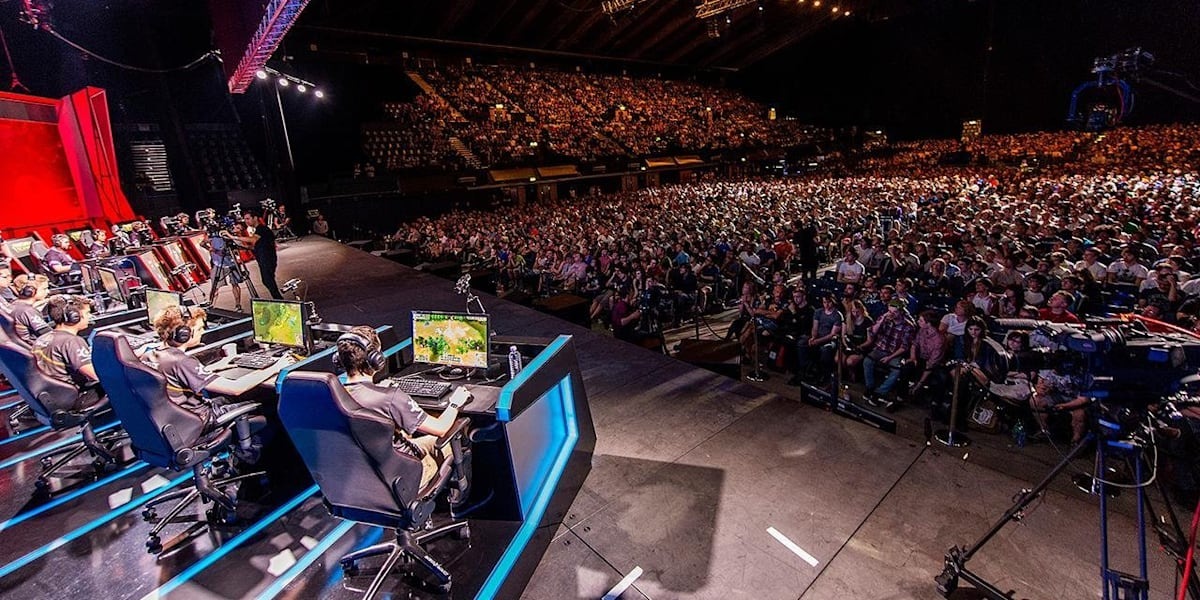
Today, esports is one of the most popular hobbies and an integral part of digital culture. It combines technology, media, sports and entertainment, with tournaments attracting millions of viewers and professional players becoming influential media personalities. The industry is actively developing and influencing the way content is consumed, trends, and even the emergence of new professions. In this article, we will discuss how esports has integrated into digital culture and why its role continues to grow.
Esports as a New Form of Global Entertainment
Thanks to its development, esports has become a new type of global spectacle. It combines classic elements of traditional sports with the possibilities of digital technology. Unlike television broadcasts, modern tournaments are interactive: viewers can communicate in chat rooms, support content creators and teams with donations, and participate in prize draws.
Popular disciplines such as Counter-Strike 2, Dota 2, and League of Legends have played a major role in this, forming a stable competitive scene. Looking at statistical platforms and the major CS2 competitions calendar, one can see a clear division of teams and leagues by level. It is the rating system and constant updates that allow the industry to globalise and maintain fan interest.
Modern e-sports fans do not just watch matches, but actively analyze the results and shape of teams. In addition, if earlier fans supported football clubs, now they are forming communities around esports organizations. This has helped eSports grow its fan base and accelerate its development.
Streaming Platforms and the Rise of Interactive Media
Streaming platforms have become one of the main catalysts for the popularity of esports. With their help, viewers can watch live broadcasts anywhere and anytime. Services such as Twitch and YouTube have created a new model for watching tournaments, and professional players can simultaneously compete in tournaments and run their own channels, forming a personal brand.
Interactivity has become one of the main factors for success. Viewers can ask questions in the chat, influence the content, watch CS2 matches happening now, or financially support their favourite streamer. This creates a sense of importance that not all traditional sports broadcasts can boast. Another important aspect is the educational function. Young players learn by watching professional matches, analyzing positioning, round economy, or map strategies. Esports is an environment where everyone has a chance to succeed.
In addition, streaming has contributed to the emergence of new professions. Commentators, analysts, video editors, and community managers have become an integral part of the industry. For many young people, esports has opened up alternative career opportunities outside of traditional employment fields.
Social Media Influence and Gaming Communities
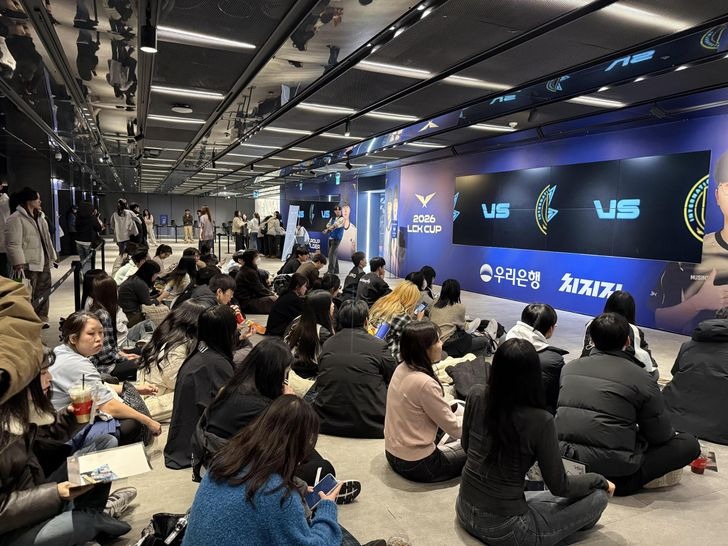
Social networks, although not a very important part of esports, have nevertheless significantly accelerated the development of the industry. Twitter, TikTok, Instagram, and Reddit have become places where players communicate, find out about match results, transfers, and even changes in the balance of video games. Professional players share training tips, discuss patches, and answer questions from fans. This allows them to build a fan base not only through victories, but also through the player’s personality.
Communities also play a key role in the development of esports meta disciplines. Forum discussions, guides, and video analyses help players quickly adapt to new updates. In some cases, developers even take into account the opinions of the community and professional players and make appropriate changes to the game.
In addition, in gaming communities, players are like-minded and unite in teams. Together they can participate in regular matches, as well as in tournaments. With the help of social networks, even small local events can gain an international audience thanks to clips and short videos. This all helps esports to develop at different levels, from amateur to professional.
Technology, Economy and the Future of Digital Competition
Technological development has become the basis for the scaling of esports. New computers, fast internet networks, and cloud services have taken tournaments to a new level. Large LAN tournaments have become a symbol of prestige, and online tournaments allow teams to compete without leaving home. Large arenas are equipped with light shows, professional production and musical accompaniment, making the viewing experience as spectacular as possible. For many viewers, such events have become analogous to concerts or sports finals.
The e-sports economy is also showing steady growth. Sources of income are the sale of media rights, advertising integrations, merchandising and partnerships with brands of technology. Organisations invest in young talent academies, set up analytical departments and use technology to analyse matches.
Another important area is the integration of e-sports with education. Some universities have already opened specialized e-sports programs where they teach management, analytics and other professions in e-sports. This means that the industry is already perceived as a serious professional sphere.
Conclusion
Putting all the facts together, we can say that esports did not simply become an important part of digital culture. It has gone from small local tournaments to a global cultural phenomenon that influences media, education and the economy. Thanks to this development, the quality of tournaments and broadcasts has improved, and millions of people follow the matches every day and cheer for their favourite teams. Given the investment, infrastructure development and growing interest, esports has every chance of increasing its importance in the entertainment industry and digital culture.
