
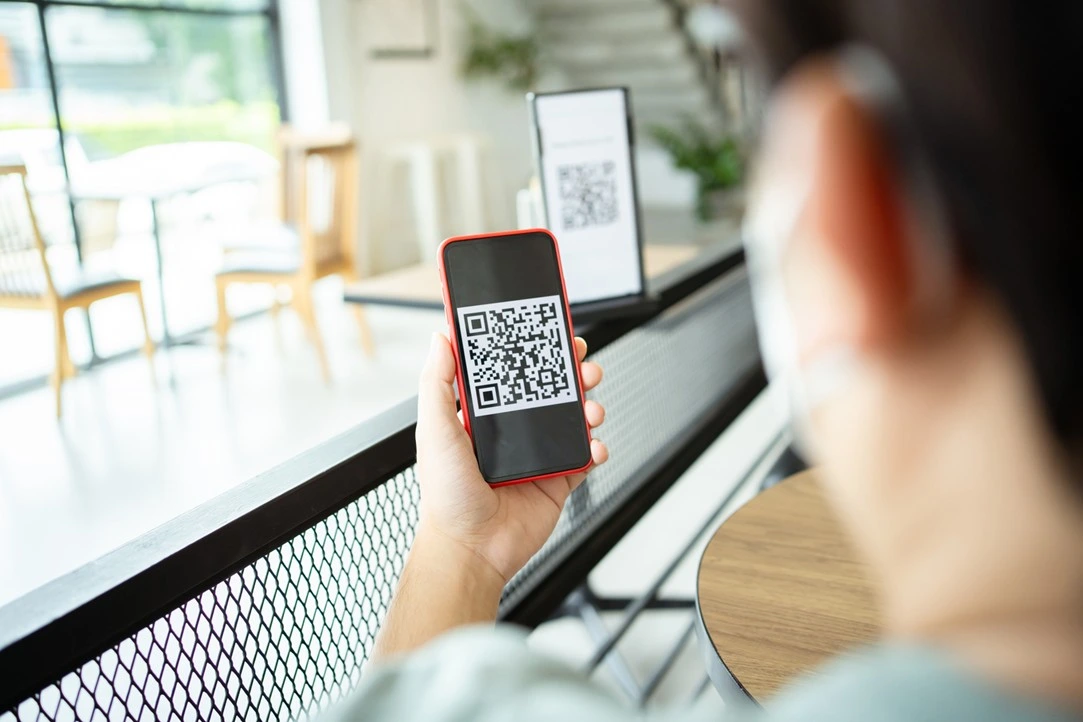
From its origins in automotive manufacturing, the humble pixelated square has undergone a remarkable transformation, becoming a staple of the modern consumer experience. What was once a niche tool for inventory tracking has become a sophisticated gateway connecting the physical product to its digital narrative. Most people now have the necessary hardware in their pockets to instantly unlock these experiences with a smartphone camera. This shift has turned every shelf and storefront into an interactive portal for information and engagement.
Beyond the Matrix: The Evolution of Scannable Retail
The transition of these codes into the mainstream was accelerated by the global need for contactless interactions and instant information retrieval. Retailers are finding ways to transform these black-and-white patterns into colorful customer experiences that extend far beyond the checkout counter. Implementing QR codes in retail allows businesses to bypass the physical limitations of product packaging and store signage. This technology enables a seamless transition from holding a physical item to exploring its entire production lifecycle via an online interface. QR codes are not just for directing users to a homepage; they provide specific, contextual value at the exact moment of interest.
Elevating Product Transparency with a Single Click
Modern shoppers are increasingly aware of the origins and ethics of the products they purchase. Scannable codes offer radical transparency, which was previously impossible to achieve within the limited space of a label. These digital footprints allow buyers to access augmented reality demonstrations or detailed sustainability reports with a simple scan. It creates a sense of empowerment, as consumers remain in control of the information they receive during their shopping trip. Stores that embrace this digital layer often see a significant increase in brand trust because they are willing to openly share their story. This level of honesty establishes a connection between manufacturers and end users that traditional advertising rarely achieves.
Streamlining the Transaction Flow with Smart Squares
Efficiency often decides whether a customer will return to a physical location or choose to shop online instead. The following list highlights the most effective ways these digital markers are currently deployed on the shop floor:
- Contactless payments which speed up the checkout process and improve hygiene standards.
- Instant coupon redemption which eliminates the need for physical vouchers or manual code entry.
- Real-time stock checks that allow users to see if a specific size or color is available at a nearby branch.
- Interactive maps that guide shoppers through large department stores to find specific categories.
Speed is a top priority for anyone walking into a physical store during a busy day. Using QR codes in retail ensures that the “log-in” process is as effortless and frictionless as possible for customers. Businesses can track which items are scanned most frequently, gaining deep insights into consumer behavior and optimizing their floor layout. This feedback loop creates a mutually beneficial situation in which the store improves its service and the buyer enjoys a more personalized experience.
Cultivating Long-Term Loyalty through Digital Touchpoints
A brand’s relationship with a buyer shouldn’t end just because a transaction has been completed. Modern tags enable companies to provide post-purchase support and exclusive community access with a simple scan of the packaging. For example, you might find a code inside a shoebox that leads to a curated playlist or a workout guide tailored to your purchase. This creates a hyper-personalized experience, making the consumer feel recognized and valued by the organization. It transforms a one-time purchase into an ongoing conversation within the digital ecosystem. By providing ongoing value through these codes, brands can foster a loyal community that remains connected to the product long after leaving the store.
A QR code is one of the most versatile assets in a modern marketer’s toolkit. It effectively bridges the gap between the tactile world we walk through and the digital world in which we manage our lives. As long as mobile technology remains central to our daily routines, these codes will serve as invisible threads connecting products to their digital counterparts. Adopting this technology is not just a trend, but a fundamental shift toward a more integrated hybrid commerce model. The future of shopping is undoubtedly interactive, and the gateway to that future is printed on the box.
