
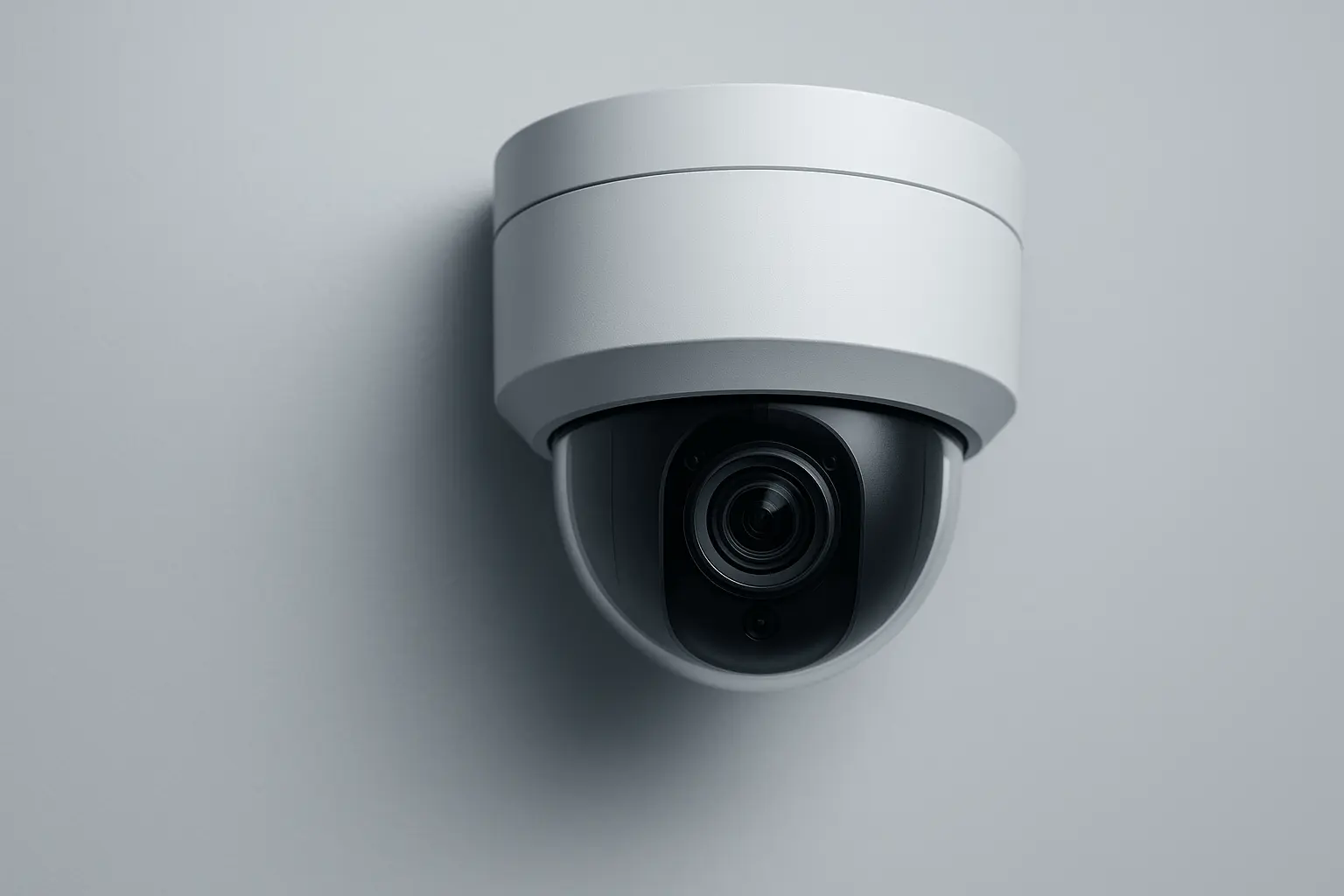
Artificial intelligence is revolutionizing the security camera industry by enhancing surveillance capabilities. With AI integration, modern security systems can analyze vast amounts of data in real time, improving accuracy and efficiency. This transformation is setting the stage for future developments in security technology.
Artificial intelligence is changing the landscape of security camera systems by turning them into active participants in maintaining safety. The integration of AI allows these systems to process complex data sets quickly and accurately. This capability helps distinguish between routine activities and suspicious behaviors, reducing false alarms and ensuring efficient resource allocation. AI’s role in improving surveillance capabilities is crucial, offering unprecedented levels of precision and reliability. Furthermore, businesses are increasingly turning to cloud security system solutions to enhance their overall security infrastructure.
Advancements in analytics improve security camera performance
Advancements in AI-driven analytics have transformed security cameras into powerful tools for detecting and responding to potential threats. These technological improvements allow cameras to process complex data sets with remarkable speed and accuracy. AI’s ability to learn from patterns and anomalies means that systems can now distinguish between routine activities and suspicious behaviors, reducing false alarms and ensuring more efficient resource allocation.
Advanced algorithms enable cameras to recognize specific objects, faces, or movements, providing detailed insights into monitored environments. This capability is particularly beneficial in high-security areas where precision is paramount. As AI analytics continue to advance, they promise to make surveillance systems even more adaptable and effective. This technological progress not only enhances current security measures but also lays the groundwork for future innovations that could redefine industry standards.
AI features increase reliability and efficiency of systems
The introduction of AI features such as facial recognition and motion detection has significantly bolstered the reliability of security camera systems. Facial recognition technology allows cameras to identify individuals with high precision, offering an additional layer of security by flagging unauthorized access attempts. Meanwhile, motion detection capabilities have become more sophisticated, enabling cameras to track movements with minimal error rates.
These enhancements not only improve system reliability but also streamline operational efficiency by automating many processes that previously required human intervention. For example, in retail settings, AI can help monitor customer flow and prevent shoplifting by alerting staff to unusual behavior patterns. By leveraging such advanced features, businesses can ensure a safer environment while optimizing their surveillance operations.
Future developments promise continued innovation in AI
Looking ahead, the future of AI in security camera systems is poised for exciting developments that will further enhance their capabilities. One anticipated trend is the integration of predictive analytics, which could allow systems to foresee potential threats before they occur. This proactive approach would revolutionize the way security is managed by focusing on prevention rather than just response.
Another promising development is the enhancement of machine learning algorithms that enable continuous improvement through data analysis. As these algorithms become more sophisticated, they will likely lead to even more accurate detection and identification processes. The implications of these trends are significant for the security industry, suggesting a shift towards smarter, more intuitive systems that not only react to incidents but also anticipate them.
